Stevens Pass
The Scout Hook
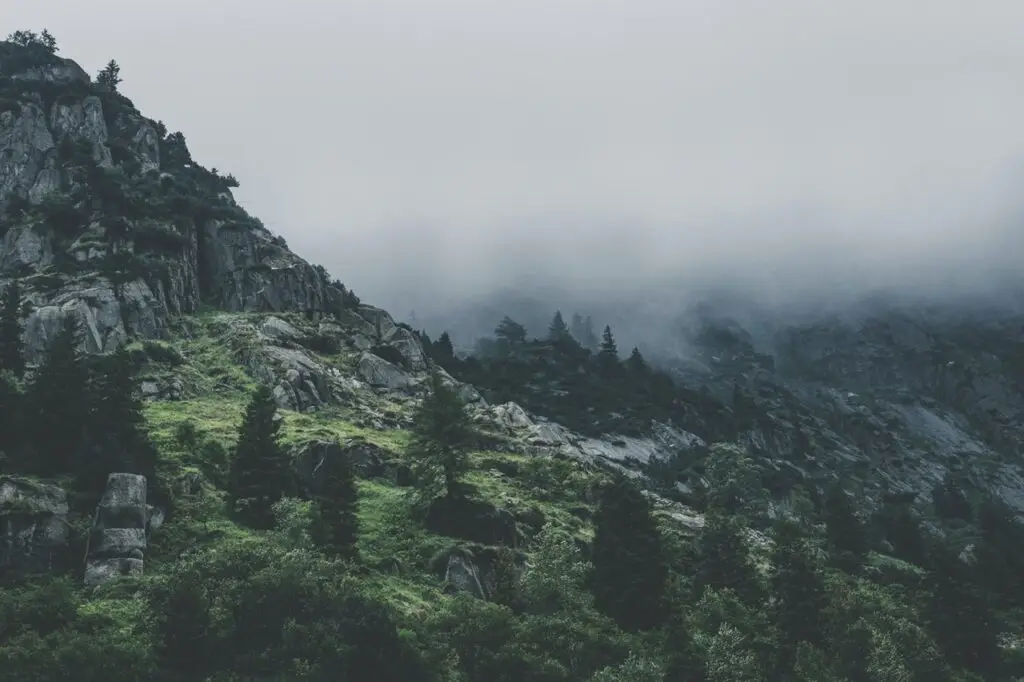
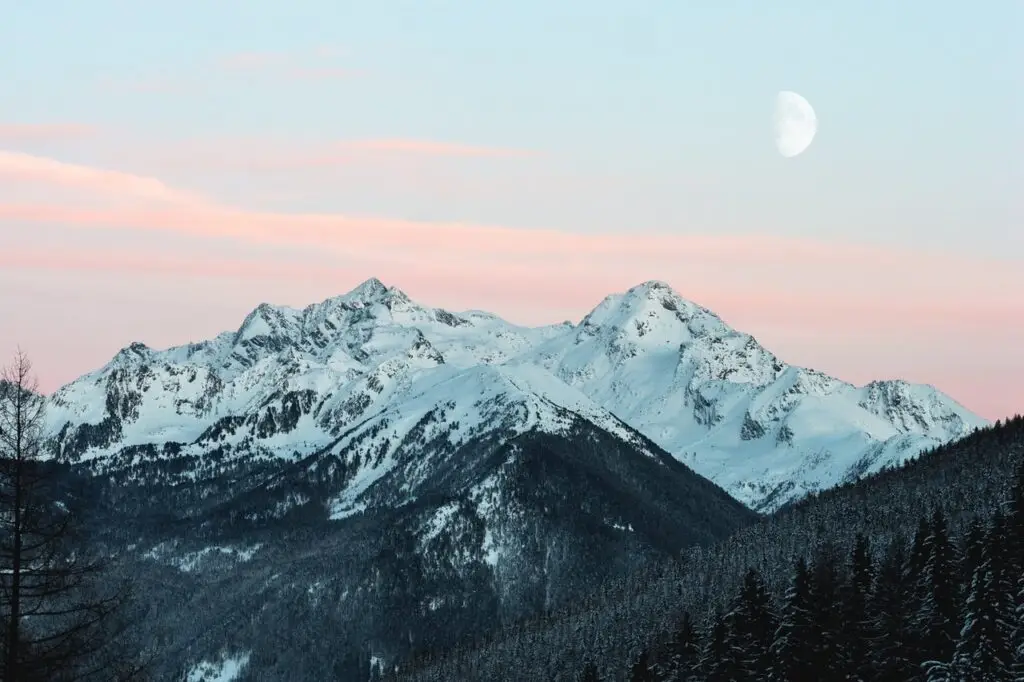
Stevens Pass sits at 4,061 feet in the heart of the Cascade Mountains, straddling US Highway 2 about 78 miles east of Seattle — and for generations of Pacific Northwest skiers, it's been the mountain that turned casual day-trippers into lifelong snow obsessives. There's something about Stevens that gets under your skin. Maybe it's the dramatic mountain scenery that greets you as you crest the pass, or the way the resort feels simultaneously accessible and genuinely wild. Whatever it is, Stevens Pass has a well-earned reputation as one of the most beloved ski mountains in the region.
Here's your Scout Secret before you even clip into your bindings: Stevens is not a beginner mountain wearing an intermediate costume. It is a legitimately challenging mountain with some genuinely approachable terrain carved into it. The 7th Heaven lift is frequently cited as the steepest chairlift in America — and it delivers riders to some of the most exhilarating terrain in Washington State. The backside bowl is legendary among locals for its steep chutes, dense tree skiing, and wide open powder fields that hold snow beautifully after a storm. Beginners are absolutely welcome here and will have a wonderful time, but the soul of Stevens Pass beats hardest for those ready to push their limits.
Logistics & Parking
Stevens Pass parking is one of those situations where a little planning goes a very long way. The resort operates a reservation-based system for weekend and holiday arrivals before 10:00AM, and given that capacity is nearly always reached on busy days, treating that reservation as non-negotiable is the right mindset. The good news is that reservations are free and released on a weekly schedule — get in the habit of checking availability as soon as a new window opens and you'll rarely be caught scrambling.
If you're rolling with a crew of four or more, carpooling is genuinely rewarded here. Carpoolers get their advanced reservation at no cost, which is a meaningful perk and a great incentive to consolidate vehicles. Solo travelers and smaller groups who want an advance reservation outside the carpool tier will pay $20 — still a reasonable price for guaranteed parking on a powder day, but worth planning around if you're budget-conscious. Day-of reservations are subject to availability and carry higher fees, so avoid that route when possible.
Timing is everything at Stevens. Arriving before 8:00AM puts you ahead of the crunch and gives you first shot at the closer spots. If an early morning start isn't in the cards, counterintuitively the 1:00PM window can work in your favor — the midday arrivals have settled, some morning skiers are heading out, and spots open back up. Stevens posts real-time parking updates on their X account, so follow along before you leave home and adjust your timing accordingly.
Getting to Know "Stevens"
The Beginner Blueprint
Focus: Foundational Skills in a Controlled Zone Stevens Pass is known for its steepness, but the Daisy lift area provides a dedicated sanctuary for those learning the ropes.
- Morning Session: Head directly to the Daisy lift.
- The Go-To Run: Start on Easy Street. True to its name, this is the easiest beginner run on the mountain and offers a gentle slope to learn fundamentals.
- The Afternoon Goal: Once you have your balance, take a full lap on Promenade. This is the longest beginner run at the resort, allowing for a sustained practice session without a steep increase in difficulty.
The Intermediate Arc
Focus: Navigating the Frontside Express Lifts The bulk of Stevens Pass is composed of intermediate and expert terrain, offering plenty of room for progression.
- Morning Warm-up: Utilize the express lifts like Hogsback Express or Brooks Express to get your legs moving.
- The Scenic Cruise: Head to Broadway. It is cited as the easiest intermediate run and is a great way to gauge the mountain’s pitch.
- The Afternoon Challenge: Move over to Skyline Express and take a run down Skyline. This is the longest intermediate run at Stevens, perfect for building endurance and practicing high-speed carving.
The Expert Expedition
- The
Morning Strategy: High-speed access via Jupiter Express or Southern
Cross will get you to the ridge lines quickly.
- The
Scout Secret — The 7th Heaven Reality: The 7th Heaven lift is
frequently cited as the steepest chairlift in America. While the mountain
offers green runs, the “Ally” move is to recognize that the core
of Stevens’ magic is in its Predominantly intermediate and expert terrain.
If you are looking to push your limits, 7th Heaven is the destination, but
be prepared for high-consequence pitches from the moment you unload.
- The Afternoon Push: Challenge yourself on Exhibition or take the long route down Orion. Orion is the longest expert run at Stevens and will test your technical consistency over varied terrain.
Focus: Technical Prowess and Backside Access For
advanced riders, Stevens Pass offers some of the most aggressive inbound
terrain in the state, including its famous backside bowls.
Summer Activities
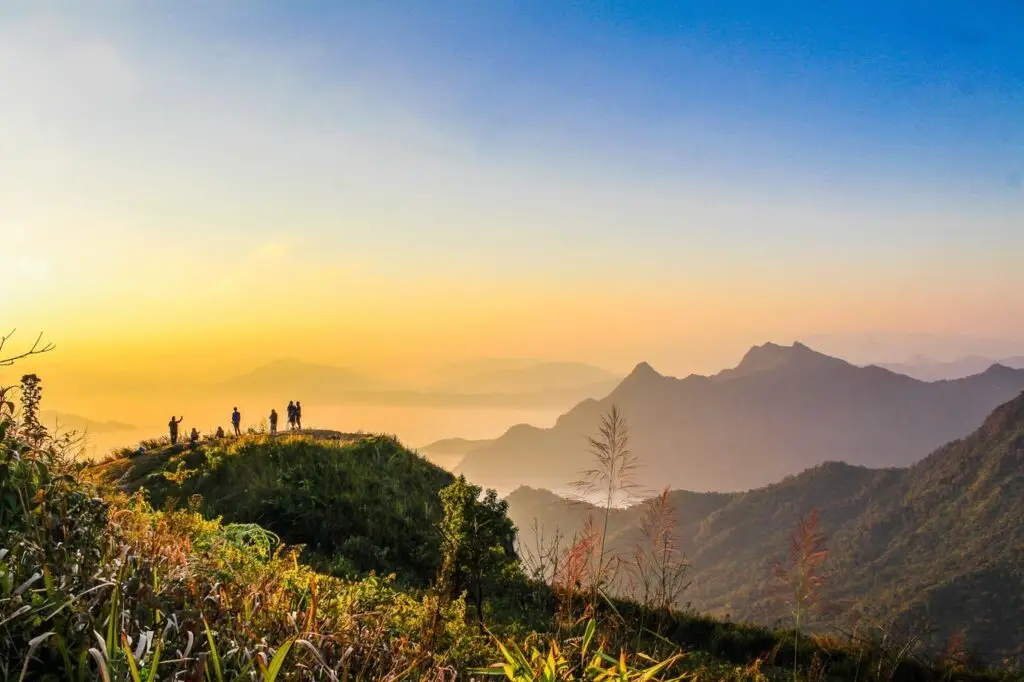
Stevens Pass doesn't close the book when the last snow melts — it pivots to a summer mountain biking destination that has developed a serious following among PNW riders. The trail network covers a significant range of terrain and difficulty, making it a legitimate destination for riders at every level from first-timers to seasoned trail shredders. If you're an Epic passholder, the discount structure makes it even more accessible — you'll receive 20% off both rentals and fees, which adds up quickly if you're planning a full day with gear.
The lift-accessed mountain biking experience at Stevens is genuinely worth the trip in its own right. Riding chairlifts with bikes, descending through alpine terrain on trails that wind through the same trees you ski past in winter, and ending the day with the same satisfying exhaustion you get from a big ski day — it checks every box for outdoor enthusiasts who don't like to let their mountain legs go dormant between seasons.
For something more relaxed, Stevens also offers disc golf with that same 20% Epic pass discount applied to rentals and fees. It's a lower-intensity option that still gets you outside and up into the mountain environment, making it a great choice for mixed groups or anyone who wants to enjoy the scenery without committing to a full physical day. The combination of these two activities means there's a reason to visit Stevens in every season.
Gear Recommendations
Dressing for Stevens Pass means dressing for the central Cascades, and that means taking moisture management as seriously as warmth. Temperatures at Stevens hover near freezing through most of the winter season, which creates snow conditions that skew heavier and wetter than what you'd find at a drier interior mountain. A cold, dry day at Stevens is a gift. More often, you're dealing with variable conditions — sometimes wet snow, sometimes wind, sometimes a sudden clearing that makes everything magical. Your gear needs to handle all of it.
The three-layer system is your foundation. The base layer goes directly against your skin and its entire job is to pull moisture away from your body and keep you dry from the inside out. Synthetic materials like polyester or natural merino wool both perform well here — the key is avoiding cotton entirely, which absorbs sweat and holds it against you like a cold, damp sponge. The mid-layer is your warmth reservoir: a fleece or synthetic down piece that traps body heat and keeps your core temperature stable on cold chairlift rides and shaded north-facing runs.
The outer shell is where Stevens Pass deserves particular attention. This is the birthplace of Gore-Tex — developed right here in the Pacific Northwest specifically because the wet mountain environment demanded better waterproof-breathable technology than anything available at the time. That legacy is relevant every single day you ski here. Your shell needs to be genuinely waterproof with taped seams, not merely water-resistant. Invest in it once and it will protect you for seasons to come. Pair it with waterproof gloves, wool or synthetic ski socks, and properly fitted boots, and you'll be ready for whatever Stevens throws at you.