Whistler Blackcomb
The Scout Hook
There is a moment that happens to almost every first-time visitor to Whistler Blackcomb — usually somewhere around the time you step off the gondola and the full scale of the place reveals itself — when you realize that everything you thought you knew about what a ski resort could be needs to be recalibrated. Whistler Blackcomb is the largest ski resort in North America, and that distinction is not just a number. It is a felt experience. Two massive mountains connected at their peaks, a world-class village humming with energy at their base, and more terrain than most skiers will fully explore in a lifetime of visits. This is the benchmark against which every other Pacific Northwest resort quietly measures itself.
For beginners and first-timers, the scale can feel momentarily overwhelming — but here is the Scout Secret that will reframe it entirely. Whistler Blackcomb's size is actually your greatest advantage as a developing skier, because the resort has been designed with enough variety that every skill level has a genuine mountain experience waiting for them, not just a cordoned-off learning area in the corner. The Peak 2 Peak Gondola — an engineering marvel that connects Whistler and Blackcomb mountains in a single sweeping span — means the entire resort is accessible to you from day one. And the vibrant village at the base means that when your legs are done for the day, the experience continues. Whistler is not just a ski trip. It is a destination.
Logistics & Parking
Getting to Whistler Blackcomb smoothly requires more advance planning than any other resort in this guide, and the single most important piece of advice Slope Scout can offer is this: seriously consider not driving at all. The resort sits 125 kilometers north of Vancouver along the Sea-to-Sky Highway, and the combination of mountain traffic, limited parking, and the genuine quality of alternative transportation options makes the car-free approach not just viable but often preferable. Buses from Vancouver run regularly and efficiently, hotel shuttle services are widely available, and arriving without a vehicle eliminates the single biggest source of stress on a Whistler trip before you've even touched snow.
If driving is the right choice for your group, understanding the parking landscape is essential. The free lots — numbers 6, 7, and 8 — offer the closest access to the ski-in/ski-out village experience and are genuinely excellent options when you can get them. The catch is that they fill by 7:00AM on busy days, sometimes earlier when conditions are exceptional. That means a 5:30AM departure from Vancouver if you want a realistic shot at free parking close to the base. The resort also operates a reservation system and carpool-priority lanes for those who plan ahead, and private paid parking facilities are available throughout the village corridor as a reliable fallback. Budget for it, treat it as a sunk cost of the experience, and redirect your energy toward the mountain.
Epic passholders should review their current parking benefits before the trip, as the pass structure includes various perks that can offset costs depending on the tier. A few minutes of research before you leave home can translate to meaningful savings on what is already a premium-priced destination.
Getting to Know "Whistler"
The Beginner Blueprint
Focus: High-Alpine Views on Gentle Slopes Whistler is unique because it offers beginner terrain high on the mountain, meaning you don’t have to stay at the base to see the views.
- Morning Session: Start at the Whistler Village Base and take the gondola up to the Olympic or Emerald Express chairs.
- The Go-To Run: Begin on Upper Whiskey Jack. It is the easiest beginner run on the mountain and offers wide, forgiving turns.
- The Afternoon Goal: Challenge your endurance on Burnt Stew to Sidewinder. This is the longest beginner route at the resort, winding through the beautiful Symphony Amphitheatre.
The Intermediate Arc
Focus: The PEAK 2 PEAK Experience Intermediates can easily transition between Whistler and Blackcomb mountains to find the best groomed “highway” runs.
- Morning Warm-up: Head to the Big Red Express on Whistler or the Jersey Cream Express on Blackcomb.
- The Scenic Cruise: Make your way to Pony Trail. Cited as the easiest intermediate run, it’s a perfect way to get your mountain bearings.
- The Afternoon Challenge: Take the Peak Express to the summit of Whistler for the views, then tackle Peak to Creek. At 11km, it is the longest intermediate run in North America and a true test of leg strength.
The Expert Expedition
- The
Morning Strategy: Prioritize the Peak Express on Whistler for
the high alpine or the 7th Heaven Express and Glacier Express
on Blackcomb.
- The
Scout Secret — The Glacier Advantage: While many experts flock to the
Whistler side for the “Peak” experience, the “Ally”
move is to head to the Blackcomb Glacier. It offers a unique
high-alpine environment that feels like true backcountry while remaining
within the resort boundary. The secret is to time your visit for
mid-morning when the light is best and the snow has softened slightly.
- The Afternoon Push: Test yourself on Saudan Couloir or the Spanky’s Ladder entrances. For a sustained technical challenge, run Blackcomb Glacier to the base—the longest expert run at the resort that takes you through every type of terrain the mountain offers.
Focus: Glacier Steeps and Alpine Bowls For experts,
Whistler Blackcomb offers some of the most aggressive and diverse inbound
terrain in the world, including permanent glaciers.
Summer Activities
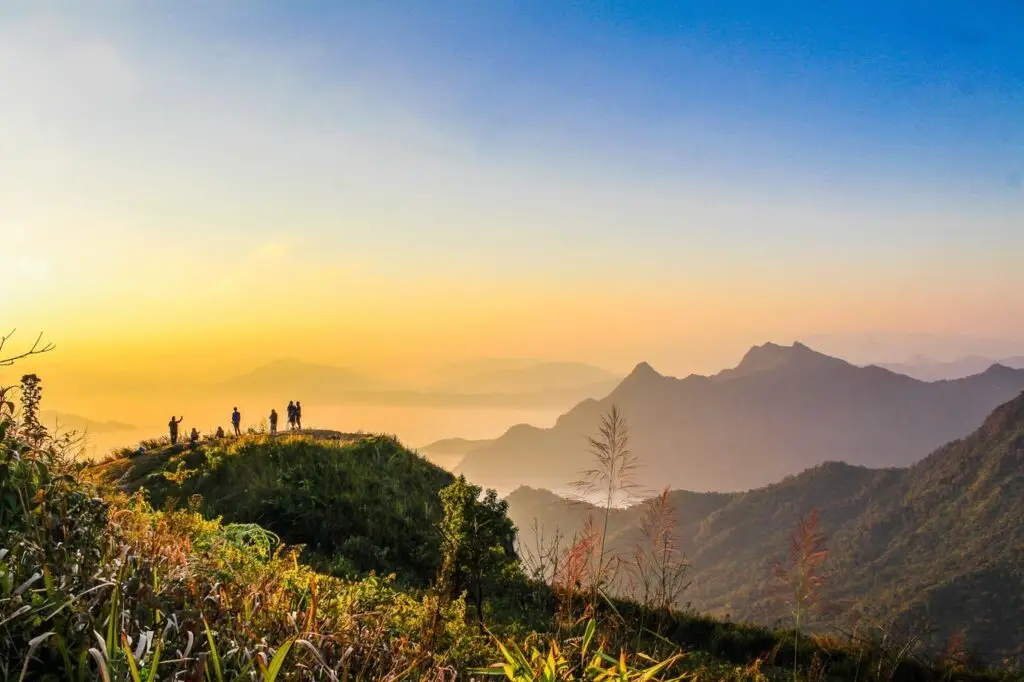
Whistler Blackcomb's summer identity is as fully realized as its winter one, which puts it in a category occupied by very few ski resorts anywhere in the world. The mountain bike park is widely considered one of the best in North America, with a trail network that spans every skill level from first-timer-friendly flow tracks to expert-only technical lines that challenge the most accomplished riders on the planet. Epic passholders receive 20% off both rental equipment and lift services, which makes a full day of lift-accessed biking meaningfully more affordable and a natural extension of the winter pass investment. If you've never tried lift-accessed mountain biking, Whistler is about as good an introduction as exists anywhere.
For those who prefer their summer adventures at a slightly lower heart rate, Whistler's ecotour program offers guided nature experiences throughout the broader Whistler corridor that reveal a completely different dimension of this landscape. The valley ecosystems, old-growth forests, and wildlife habitats surrounding the resort are extraordinary in their own right, and a knowledgeable guide transforms a nature walk into a genuine education about what makes this corner of British Columbia so ecologically significant. These tours range in intensity and duration, making them a great option for families, mixed groups, or anyone who wants to connect with the environment in a more deliberate way.
The village itself is worth factoring into any summer visit — the restaurants, shops, and cultural programming that make Whistler a world-class destination operate year-round, and summer brings a relaxed energy to the pedestrian village that is genuinely charming in its own right.
Gear Recommendations
Dressing for Whistler Blackcomb introduces a variable that smaller, lower-elevation resorts don't present in quite the same way: the temperature differential between the base village and the summit is significant enough to require genuine planning. The village at the base sits at around 675 meters elevation, while the peaks of both Whistler and Blackcomb push above 2,180 meters. On a given day, the temperature difference between where you started your morning coffee and where you're skiing at noon can be ten degrees Celsius or more. Your gear needs to perform across that entire range, and the three-layer system is your tool for managing it dynamically throughout the day.
The base layer is the foundation and it does its work invisibly when chosen correctly. Moisture management is the priority — synthetic or merino wool fabrics pull perspiration away from your skin during physically active descents and keep you from feeling clammy on cold chairlift rides. The mid-layer is your adjustable warmth dial, and at Whistler's elevations it earns its place more consistently than at lower coastal mountains. A quality fleece or synthetic down piece that compresses into a jacket pocket gives you the flexibility to add or subtract warmth quickly as you move between sun-exposed ridgelines and cold shadowed north faces.
The outer shell at Whistler needs to handle everything from coastal Pacific moisture to genuine alpine cold at the summits, and a fully waterproof, breathable membrane shell is the only appropriate choice. Waterproof gloves, insulated and moisture-managing ski socks, and properly fitted boots round out the system. One additional Whistler-specific tip: sunscreen matters here more than people expect. The combination of high elevation, reflective snow, and the extended sunny periods that Whistler's microclimate delivers means UV exposure is real even on cold days. Pack it, apply it, and your face will thank you at the end of the week.